
Introduction
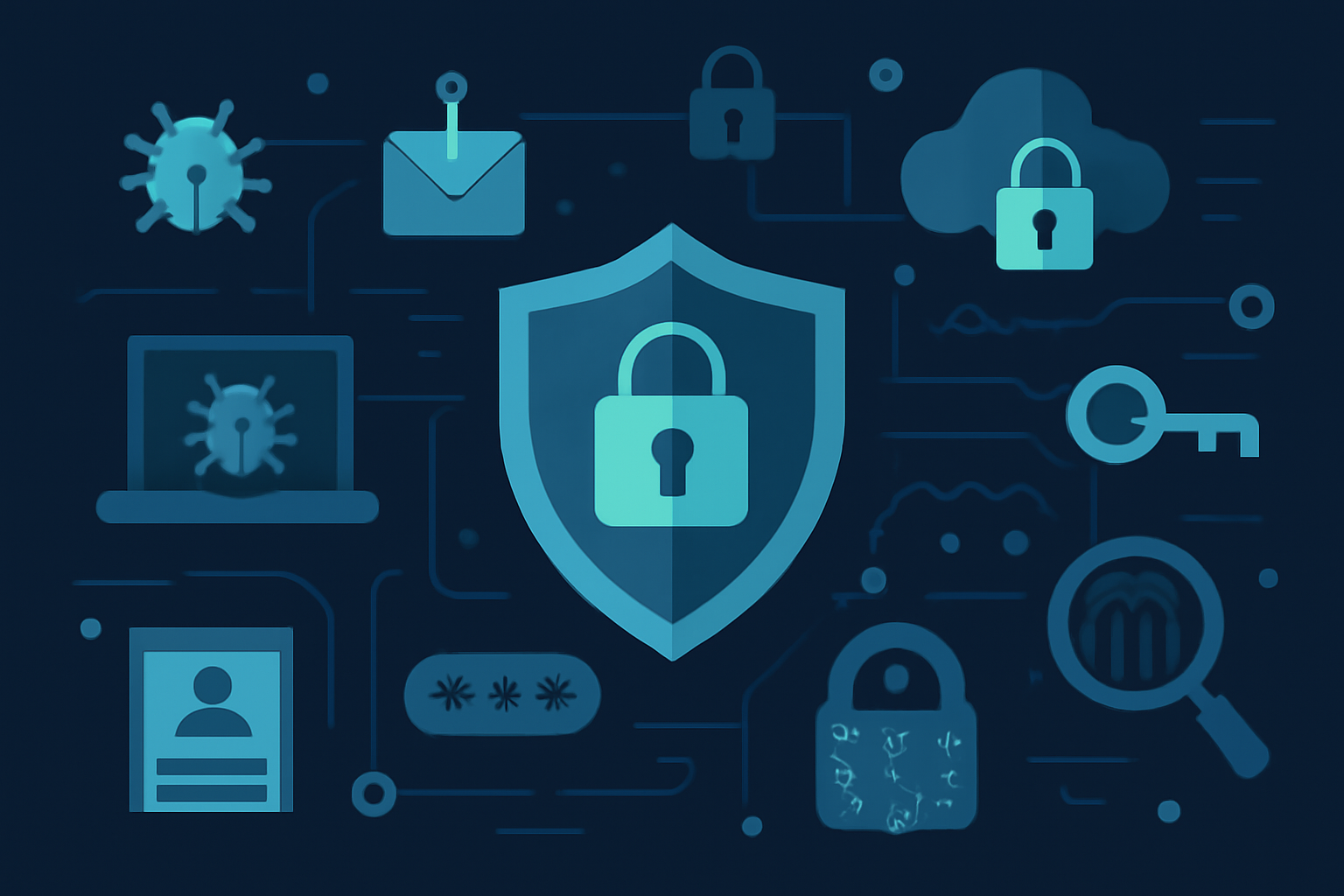
With the growth of technology and connectivity, cybersecurity has become essential to protect personal, corporate, and government data from increasingly sophisticated threats. Understanding the risks and best practices is critical to ensuring security in the digital world.
In this article, we will address what cybersecurity is, the main types of threats, protection strategies, tools, and tips to keep your data safe.
1. What is Cybersecurity?
Cybersecurity is the set of practices, technologies, and processes used to protect systems, networks, and data from cyberattacks, unauthorized access, damage, or information theft.
2. Main Cybersecurity Threats
- Malware: Malicious software such as viruses, trojans, and ransomware.
- Phishing: Attempts to deceive users into obtaining personal data.
- DDoS Attacks: Overloading systems to make them unavailable.
- Identity Theft: Misuse of personal information.
- Exploitation of Vulnerabilities: Software flaws exploited by hackers.
3. Strategies to Protect Your Data
- Use Strong Passwords and Multifactor Authentication
Long, unique, and complex passwords.
Two or more step authentication. - Constant System Updates
Keep software and operating systems updated. - Be Cautious with Links and Attachments
Do not open suspicious links or files in emails or messages. - Data Encryption
Protect sensitive information with encryption. - Monitoring and Detection
Tools that monitor and alert about suspicious activities.
4. Essential Cybersecurity Tools
- Antivirus and antimalware.
- Firewalls.
- VPN (Virtual Private Network).
- Intrusion detection and prevention systems.
- Password managers.
5. Cybersecurity for Businesses
- Clear security policies.
- Continuous training for employees.
- Regular data backups.
- Incident response plans.
- Investment in advanced protection technologies.
6. Trends and the Future of Cybersecurity
- Increasing use of artificial intelligence to detect threats.
- Cloud security and protection of distributed data.
- Stricter regulations and compliance.
- Growing awareness and digital education.